The Art of Flavorful Cannabis Extracts: What Sets Honey Oil Apart
Why Flavor Matters in Cannabis Concentrates
If you have been around the concentrate scene for a while, you know that not all extracts are created equal. Some hit hard but taste like burnt rubber. Others smell promising in the jar but deliver a bland, one-note vapor. What separates the memorable dabs from the forgettable ones is the depth of flavor. And that is where the conversation about flavorful cannabis extracts really starts. For anyone who values the sensory side of cannabis - the kind of person who can pick out a piney top note or a hint of diesel on the exhale - the pursuit of terpene-rich concentrates becomes something like a craft obsession.
I have spent the past decade working with cannabis extracts, from simple solvent-based oils to high-end solventless extraction methods. Over that time, I have learned that flavor is not just a bonus. It is a signal of quality, of careful handling, and of a producer who respects the plant. When you buy a gram of honey oil or a slab of live resin, you are buying a snapshot of the strain's chemical profile. If that snapshot is muddied by poor extraction or degraded by heat, you lose the story the plant was trying to tell.
What Makes an Extract Flavorful?
Flavor in cannabis concentrates comes down to terpenes. These aromatic compounds are responsible for the pine, citrus, floral, and earthy notes in the plant. When you heat a dab of wax or honey oil, those terpenes vaporize alongside the THC and other cannabinoids. A well-made concentrate preserves a high proportion of those volatile compounds. That is why a cold start dabbing technique can make such a difference - you heat the nail or banger slowly, letting the material melt and release its full spectrum of flavor before you even pull. The result is a richer, more nuanced hit that tastes closer to the living plant.
But terpenes are fragile. They degrade under high heat, light, and oxygen. That is why packaging matters, and why lab-tested extracts often taste better. Third-party testing gives you a window into not just potency but also the terpene profile. A lab report might show 6% myrcene and 3% limonene, which tells you to expect a balanced mix of herbal and citrus notes. Without that data, you are guessing. And in my experience, guessing leads to disappointment.
Honey Oil: A Case Study in Flavor Retention
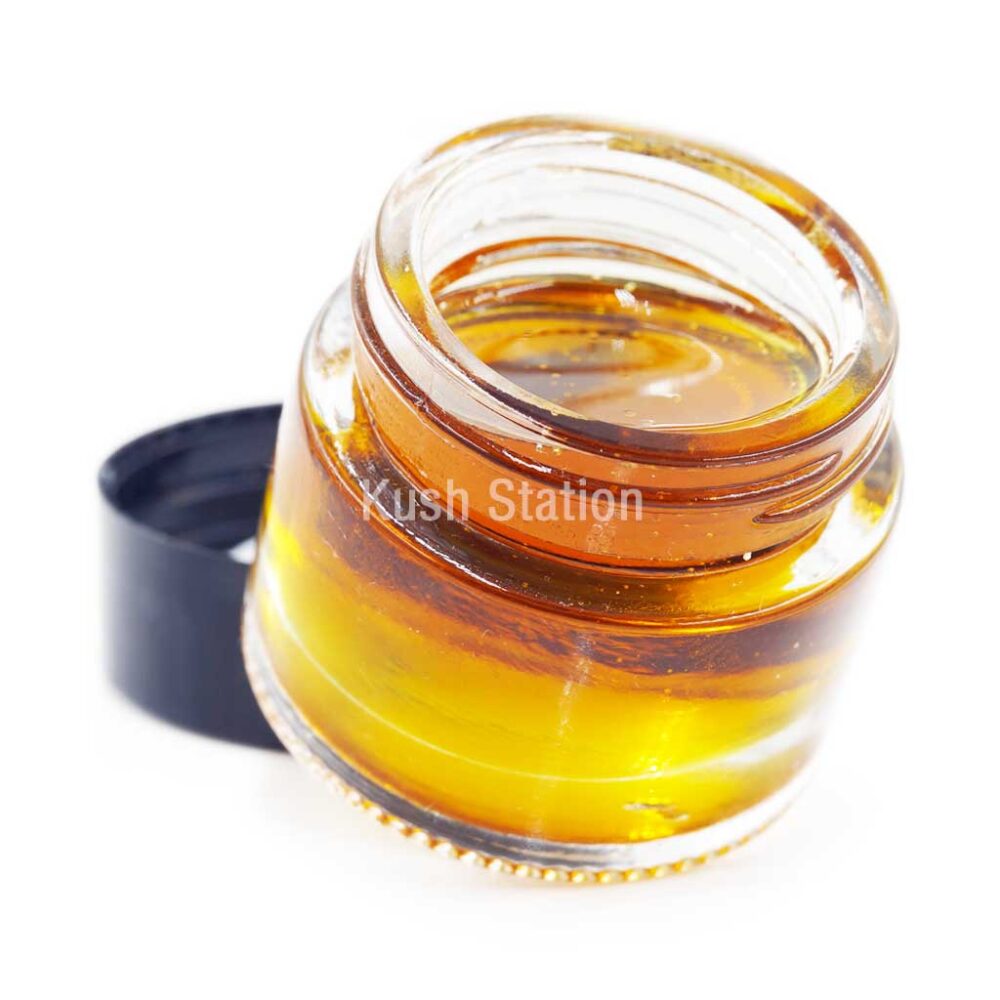
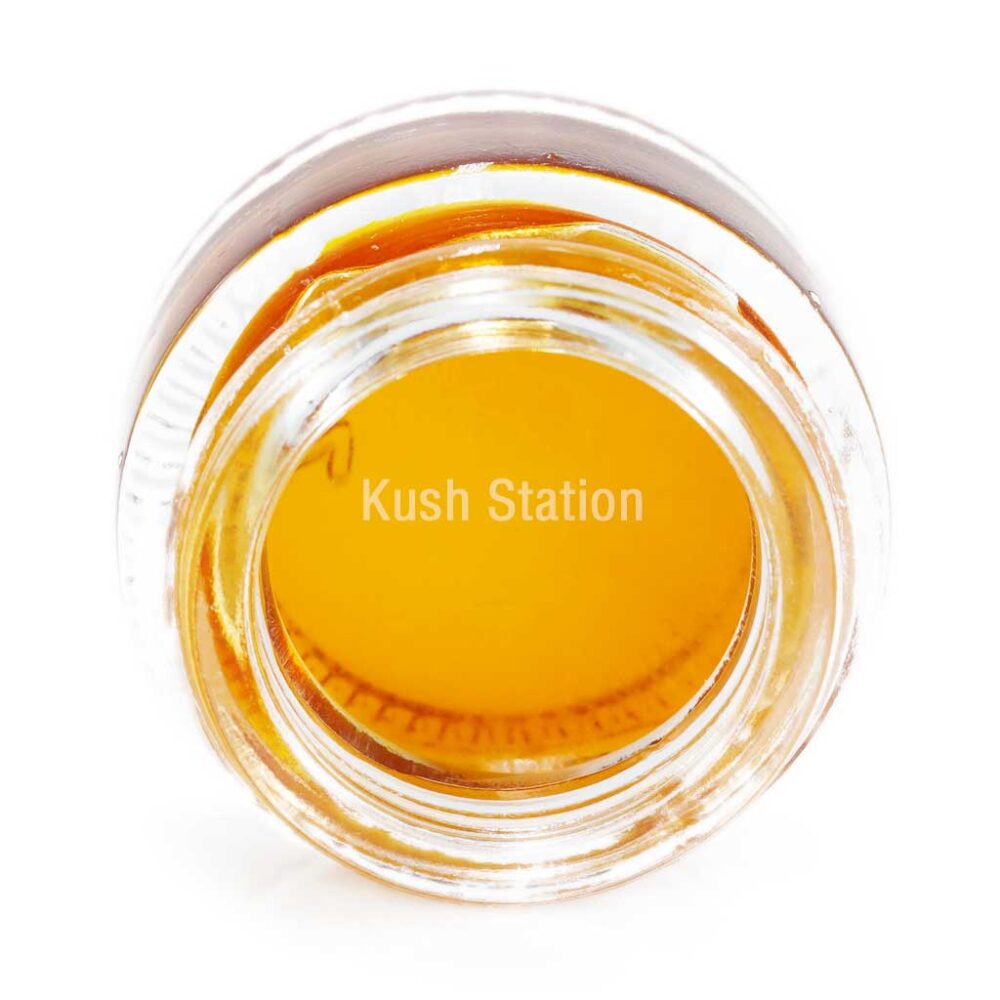
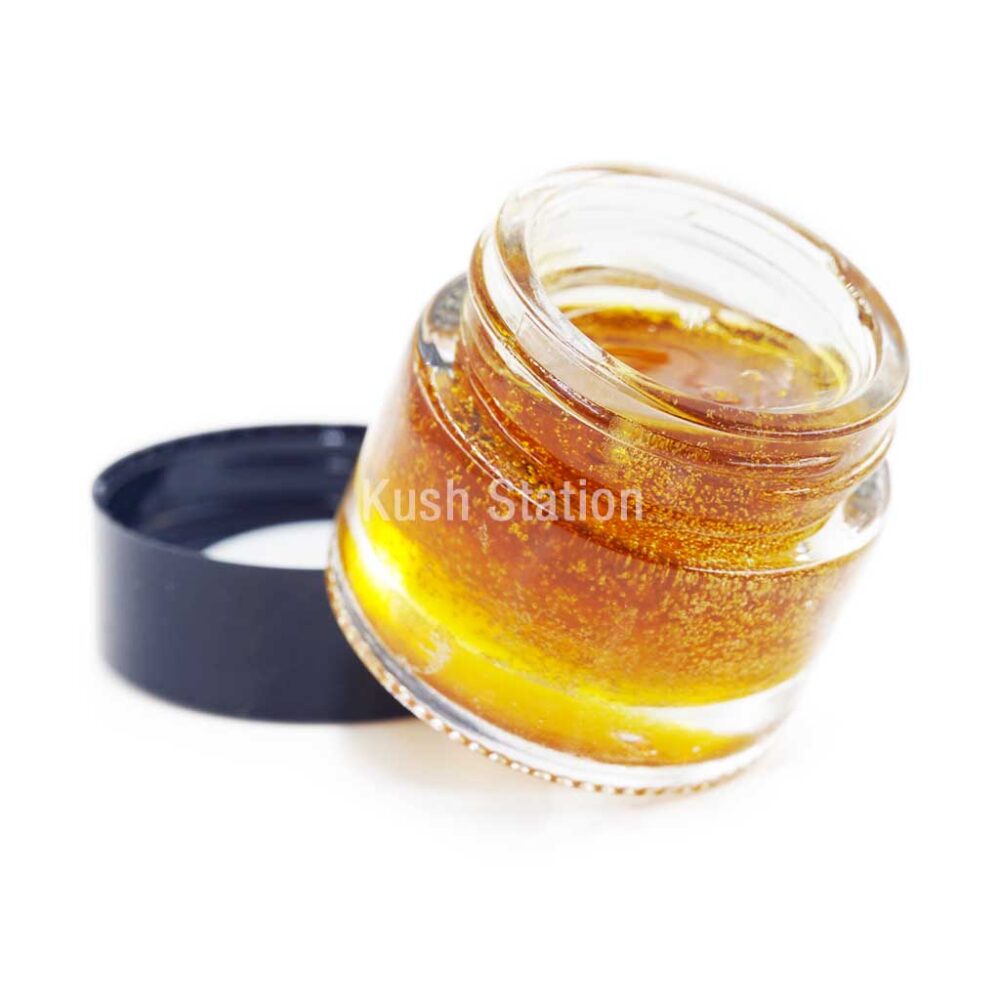
Honey oil is a specific type of cannabis concentrate that has been gaining attention among connoisseurs. Unlike some solvent-based extracts that can strip away delicate terpenes, honey oil is often made with methods that aim to preserve the plant's natural character. The result is a product that feels almost like a thick, golden nectar - hence the name. When you open a jar of honey oil, the aroma should hit you immediately. That is the entourage effect in action: the synergy of multiple cannabinoids and terpenes working together to create a fuller experience.
One of the reasons honey oil has become a favorite for dab rig users is its consistency. It melts evenly and leaves little residue, which means you get clean, flavorful cannabis extracts every session. Compare that to some low-grade wax that chars and leaves a black crust on your nail. The difference is night and day. Honey oil also pairs well with a cartridge for portable use, as long as the cartridge can handle the viscosity. Some people mix it with MCT oil to thin it out for vape pens, though purists prefer it solo on a glass bong or rig.
The Role of Extraction Method
Extraction method is the single biggest factor determining whether a concentrate tastes amazing or just okay. Solventless extraction, which uses only pressure and temperature to separate the resin from the plant material, tends to produce the most flavorful results. Because no chemical solvent touches the material, the terpenes remain unaltered. Live resin, which is made from freshly frozen plant material, is another standout. The flash-freezing locks in volatile compounds that would otherwise degrade during drying and curing. That is why live resin often has a brighter, more vibrant taste than cured resin.
On the other hand, some extraction methods prioritize yield over flavor. High-heat solvent extractions can pull more cannabinoids from the plant, but they also cook off many of the delicate terpenes. The result is a product that may be high in THC but low in complexity. For daily users who prioritize potency over everything else, that trade-off might be acceptable. But for those who savor the experience, the loss of flavor is a real cost. That is why I always recommend checking whether a product is lab-tested and what the terpene numbers look like. A concentrate with 80% THC and 1% terpenes will hit hard, but it will not taste like much.
Practical Tips for Getting the Most Flavor
Even the best flavorful cannabis extracts can taste flat if you handle them wrong. Here are a few things I have learned from years of dabbing:
- Cold start dabbing - Place the concentrate in a cold quartz banger, then heat it slowly until it bubbles. This preserves more terpenes than heating the nail red-hot first.
- Low temp dabs - Aim for a surface temperature around 315°F to 350°F. Higher temps will vaporize the THC but burn off the flavor.
- Clean your rig regularly - Residual buildup from previous dabs will taint the taste of fresh wax. Use isopropyl alcohol and a cotton swab after every session.
- Store concentrates in a cool, dark place - Heat and UV light degrade terpenes fast. Keep your honey oil in a fridge if you plan to hold onto it for more than a few weeks.
- Use a quality dab tool - A ceramic or titanium tool avoids scratching your banger and reduces heat transfer from your fingers.
Strains and Their Flavor Profiles
Different strains bring different flavor notes, and the best concentrates highlight those differences. A high-terpinolene strain like a classic Jack Herer might taste like mango and pine, while an ocimene-heavy strain like some Blue Dream crosses can lean floral and slightly peppery. When you buy honey oil from a reputable source, you should be able to see which strain it came from. That is part of the appeal of single-strain concentrates. You get the full spectrum of that variety's chemical expression, not a blended oil that averages everything out.
I have also noticed that strains grown in living soil tend to produce more nuanced concentrates than those grown in synthetic hydro setups. The soil microbiome influences the plant's secondary metabolite production, including terpenes. So if you are chasing the most flavorful cannabis extracts, pay attention to how the source material was grown. It matters more than most people realize.
The Future of Flavor in Concentrates
As the market matures, I expect to see more emphasis on terpene preservation. Already, brands are experimenting with new filtration methods that remove unwanted lipids and waxes without stripping flavor. Some are using unbleached hemp wick as a wicking material in vape cartridges to avoid introducing off-flavors from synthetic materials. Others are investing in cold-chain shipping to keep live resin frozen from harvest to packaging. These are not gimmicks. They are genuine improvements that show a respect for the plant and the consumer.
At the same time, the focus on potency alone is slowly giving way to a more holistic view. THC percentage will always matter, but people are starting to ask about the entourage effect, about the ratio of CBD to THC, about the presence of minor cannabinoids like CBG and CBC. Flavor is part of that bigger picture. A concentrate that tastes amazing and delivers a balanced, full-spectrum effect is worth more than a flavorless brick of high-THC wax. That is why products like honey oil and live resin are gaining traction. They represent a shift toward quality over quantity.
If you are new to concentrates, my advice is to start with a few different types. Try a honey oil from a known strain, then a live resin from the same strain, and see how the extraction method changes the experience. Use a dab rig at low temperature, and pay attention to the first few seconds of vapor. That is where the flavor lives. Over time, you will develop a palate for what good concentrates taste like. And once you have that, there is no going back to the mediocre stuff.
Ends · FLAVORFULCANNABISREPORT